

New

New grant for research in vitiligo announced in Denver
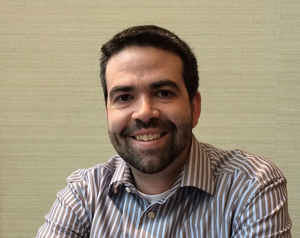
We are pleased to announce that John E. Harris, M.D., Ph.D., a distinguished vitiligo investigator from University of Massachusetts, was awarded with a grant by Dermatology Foundation to continue research on Skin-Resident Memory T Cells in Vitiligo. Last year, VRF has supported John Harris' project that aims to test some new substances for vitiligo treatment using his unique mouse model of vitiligo. If successful, this could be a critical step towards developing a new approach to vitiligo treatment.
FAQOther Questions
- How long does it take to treat vitiligo?
Vitiligo, a condition characterized by the loss of skin pigment, can be unpredictable in both progression and treatment. The time it takes to treat vitiligo varies significantly...
- How can I explain vitiligo to my children?
Vitiligo can be confusing for children because it doesn’t resemble an "illness" in the typical sense. Choosing the right way to explain it depends on your child’s age and maturi...
- Isn't it just a cosmetic disorder?
Contrary to popular belief, vitiligo is not merely a cosmetic issue but a complex autoimmune disorder that affects the body’s largest organ—along with other vital systems—and is...
Though it is not always easy to treat vitiligo, there is much to be gained by clearly understanding the diagnosis, the future implications, treatment options and their outcomes.
Many people deal with vitiligo while remaining in the public eye, maintaining a positive outlook, and having a successful career.
Copyright (C) Bodolóczki JúliaBy taking a little time to fill in the anonymous questionnaire, you can help researchers better understand and fight vitiligo.